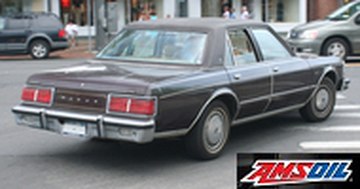
Engine Lubrication and Maintenance for the 1981 Dodge ST REGIS 3.7L
Maintaining a vehicle from the early 1980s requires a shift in perspective compared to modern automotive care. For owners of a 1981 Dodge ST REGIS equipped with the 3.7L engine, routine service is not just about following a schedule; it is about active monitoring and understanding how aging mechanical components interact with various fluids. Proper lubrication management is a cornerstone of preserving the operational integrity of this vehicle.
Monitoring Fluid Integrity and Condition
One of the most effective ways to assess the health of an engine is through regular observation of its lubricants. Rather than relying solely on mileage, owners should periodically inspect the appearance and consistency of the engine oil. Changes in the lubricant can serve as early indicators of various mechanical or environmental factors affecting the engine.
When performing a routine check, look for the following:
- Color and Clarity: While oil naturally darkens over time due to use, extreme discoloration or an unusual cloudy appearance may warrant closer inspection.
- Consistency: If the oil feels excessively gritty or shows signs of significant thickening, it may indicate that the lubricant is no longer performing its intended role in managing internal contaminants.
- Odors: Unusual smells associated with the oil can sometimes be linked to external factors or changes in how the engine is operating.
It is important to remember that these observations are not definitive diagnoses. A change in oil appearance can have multiple causes, and any significant deviation from normal should be investigated by a qualified technician to ensure no underlying issues exist.
Practical Inspection Priorities for Aging Components
As vehicles age, the materials used in gaskets, seals, and various connection points may undergo changes. For a 1981 Dodge ST REGIS, a proactive approach involves looking for evidence of seepage or leakage during every service interval. Rather than assuming a component is failing, focus on identifying active signs of wear.
During routine maintenance, consider inspecting the following areas:
- Sealing Surfaces: Check around various engine junctions and covers for any signs of fluid weeping or residue.
- Hoses and Connections: If present, inspect flexible hoses for signs of hardening, cracking, or swelling. Ensuring these components remain pliable is essential for maintaining system integrity.
- Electrical Integrity: Inspect accessible wiring and electrical connectors for signs of corrosion or fraying, which can impact overall vehicle performance.
- Drive Components: If equipped, examine accessible belts for evidence of glazing, cracking, or fraying. Maintaining the condition of these components helps prevent unexpected service interruptions.
By focusing on these visual cues, an owner can transition from reactive repairs to a more controlled, preventive maintenance strategy.
Establishing a Maintenance Baseline
For many owners of classic or older vehicles, the complete service history may not be readily available. In such cases, the first priority is establishing a baseline. This involves documenting the current state of all major fluids and mechanical components to create a reference point for future observations.
If you are unsure of when certain services were last performed, it is often beneficial to perform a comprehensive inspection of the engine's current condition. Documenting the presence or absence of leaks, the condition of belts, and the state of the cooling system provides a "starting point." Once this baseline is established, any future changes—such as a new leak appearing or a belt showing signs of wear—become much easier to identify and address promptly.
Keeping detailed records of all completed maintenance, including the types of lubricants used and the dates of service, is invaluable. This documentation helps in distinguishing between normal aging and actual mechanical issues, allowing for more informed decision-making regarding repairs and long-term ownership.
Managing Lubrication Needs Over Time
The requirements for engine lubrication can evolve as a vehicle moves through different stages of its lifespan. For an older 3.7L engine, the choice of lubricant is a significant factor in ongoing maintenance. While modern formulations offer various benefits, they should be selected with the specific application in mind.
Some owners may consider high-mileage oil formulations. These products often contain additives intended for use in aging engines, such as seal-conditioning agents that may help maintain the pliability of certain components. However, it is important to understand that these additives are designed to support existing conditions rather than act as a definitive repair mechanism for damaged seals or gaskets.
When selecting any lubricant, whether conventional, a synthetic blend, or a full synthetic, the primary goal is to match the product to the specific requirements of the engine. The effectiveness of a lubricant in managing heat and resisting oxidation is critical for maintaining engine health over long periods of operation.
Identifying Potential Warning Signs
While regular inspections are the best defense, certain symptoms may indicate that an engine requires immediate attention. Recognizing these signs early can prevent more extensive mechanical issues.
If you notice any of the following, it is advisable to investigate further:
- Visible Fluid Leaks: Any active dripping or significant pooling of fluid under the vehicle should be addressed.
- Changes in Consumption: If you find yourself needing to add oil more frequently than usual, this warrants an inspection to determine why the lubricant is being depleted.
- Unusual Mechanical Noises: New or changing sounds coming from the engine area can be associated with various mechanical changes and should not be ignored.
- Warning Indicators: Any dashboard lights or indicators related to engine operation require immediate investigation to prevent potential damage.
Always approach these symptoms with the understanding that they are indicators rather than certainties. A single symptom can be caused by several different factors, and a professional diagnosis is often necessary to identify the root cause.
Practical Guidance for Buying Engine Oil for your 1981 Dodge ST REGIS 3.7L
When it is time to replenish or change the lubricant in your 1981 Dodge ST REGIS 3.7L, the most important step is to ensure the product matches the specific requirements of your engine. Because different engines have unique needs regarding viscosity and additive packages, you should never rely on general automotive knowledge or assumptions based on the vehicle's age.
To make an informed purchase, follow these steps:
- Consult Application Information: Always refer to the specific oil viscosity and application details provided on this webpage. This is your primary source for the correct lubricant specifications for your exact engine.
- Verify Product Labels: Before completing a purchase, check the product packaging to ensure the SAE viscosity and API service classifications align with the information displayed in your vehicle's documentation.
- Consider Formulation Types: Depending on your specific maintenance goals and the current condition of your engine, you may choose between conventional, synthetic blend, or full synthetic oils. If your engine shows signs of significant age, you might also look into high-mileage formulations that include seal-conditioning additives.
- Avoid Assumptions: Do not assume that a modern oil grade is the original specification, and do not select a viscosity based on perceived climate or driving habits unless it matches the application information provided for your vehicle.
By matching your lubricant choice directly to the application-specific data for your 3.7L engine, you ensure that the oil provides the necessary protection and performance required for your Dodge ST REGIS.